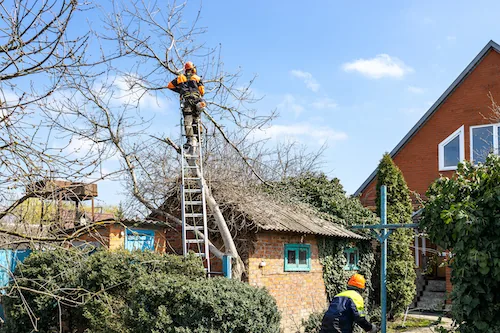
Tree Removal
Whole-tree takedowns on tight peninsula blocks, sectional dismantle or crane where the driveway will not take a truck.
Learn more →Trees dropped, thinned, ground out and carted, from the Manly terraces up to the Barrenjoey end of the peninsula.
The Northern Beaches is a strip of sandstone between Ku-ring-gai Chase and the ocean, and that geography decides almost everything about a tree job here. Blackbutt and angophora hold the ridge tops where the soil is thin and the rock is close to the surface. Norfolk Island pines line the beachfronts at Manly, Freshwater, Dee Why and Palm Beach, shaped hard on the seaward side by salt-laden southerlies. And the roads that connect it all — Pittwater Road, Barrenjoey Road, the escarpment streets behind Avalon and Bilgola — are narrow enough that access, not the cutting, is often the biggest line in the quote.
Northern Beaches Tree Loppers arranges tree removal, lopping and pruning, stump grinding, palm work and storm response across the whole peninsula. The crews are local, which matters more than it sounds. Someone who has worked a Bilgola block knows that a smooth-barked apple growing out of a rock crevice behaves nothing like the same species on deep soil at Warriewood, and prices the day accordingly.
Six things, mostly. Whole-tree removal, sectionally dismantled or craned out. Pruning that reduces risk while leaving the tree alive and structurally sound. Stump grinding once the tree is down. Emergency and storm damage work, which is a different discipline again. Palm removal and cleaning. And hedge trimming and height reduction on the lilly pilly and viburnum screens that every second street here is planted with.
What we will not do is top a healthy eucalypt because it has grown taller than a neighbour likes. Topping a blackbutt produces a mass of weakly attached epicormic regrowth, and that regrowth is exactly what fails in the next southerly. If someone has quoted you that, ask them what the tree looks like in five years.
Northern Beaches Council runs some of the strictest tree controls in Sydney. Most trees on private land are protected, and you generally need a tree permit from council, or development consent as part of a DA, before you remove one or prune more than a modest amount of the canopy. The exemptions are real but narrow: dead trees, listed weed species, genuine immediate danger, and work covered by the 10/50 vegetation clearing entitlement where your property is inside the mapped area.
That is not a detail to sort out afterwards. Cutting a protected tree without approval is an offence and the penalties are not trivial. Before any removal is quoted, we look at the tree and tell you whether it is likely exempt, likely protected, or a case that needs an arborist report to support an application. If you want the lodgement handled, it is quoted separately.
Blackbutt and Sydney red gum dominate the sandstone ridges from Frenchs Forest through to Ingleside, and both shed limbs in dry heat rather than in wind. Coast banksia, bangalay and tuckeroo take the salt closer to the beach. Cabbage tree palms sit in the gullies. Cocos palms, which are not native and not popular with council, are the single most common removal request we get.
Norfolk Island pines are their own case. They are protected, they are part of what the beachfronts look like, and the correct answer is almost never removal — it is deadwood removal and the occasional reduction of a storm-damaged leader. The cost guide explains how those differences turn into a number.
From Manly and Freshwater in the south, through Brookvale, Dee Why and Narrabeen, up past Mona Vale to Avalon Beach and Palm Beach. The full list is on the service areas page.
Call (02) 9000 1858 for a free on-site quote, read a bit more about how the referral works, or send the details through the contact page.
Northern Beaches Council runs some of the tightest tree controls in Sydney. We tell you whether a permit, a DA or an exemption applies before anything is cut.
Barrenjoey Road and the Avalon and Bilgola escarpment streets defeat a lot of trucks. Climb, rig and carry, or crane from the road — decided before quoting.
East coast lows and southerly busters do not wait for Monday. Trees on roofs and blocked driveways get a callout the same night where it is safe to work.
Mulch goes back onto your garden beds at no extra cost. Carting everything off site is a tipping charge, and it is itemised in the quote rather than buried.
Whole-tree takedowns on tight peninsula blocks, sectional dismantle or crane where the driveway will not take a truck.
Learn more →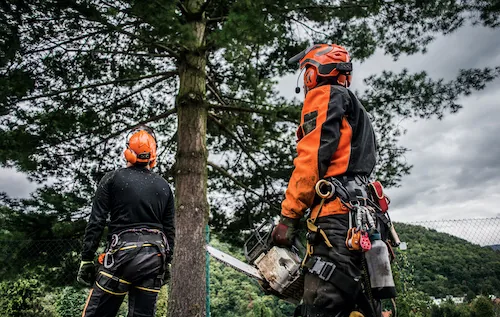
Crown thinning, deadwooding and clearance pruning that leaves a eucalypt stable through a southerly buster.
Learn more →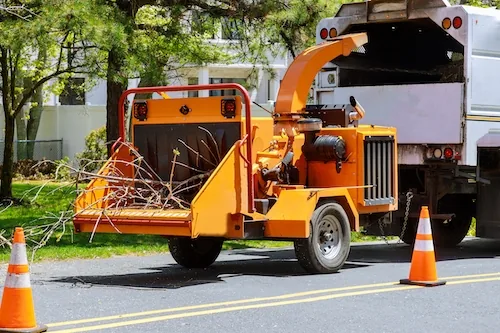
Grinding stumps and surface roots below grade so you can turf, pave or replant over sandstone shelf.
Learn more →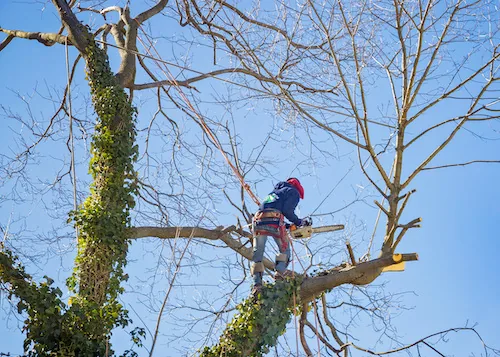
Cocos, Canary Island date and bangalow palms cut down or cleaned up, with the seed heads bagged before they drop.
Learn more →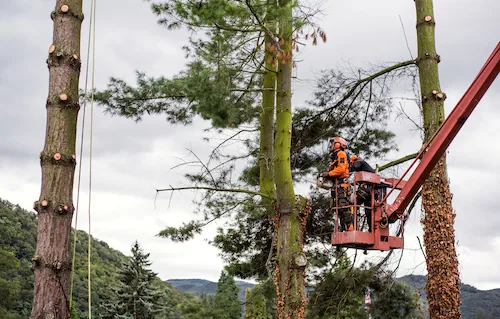
After-hours callouts for trees on roofs, hung-up limbs and blocked driveways once an east coast low has passed.
Learn more →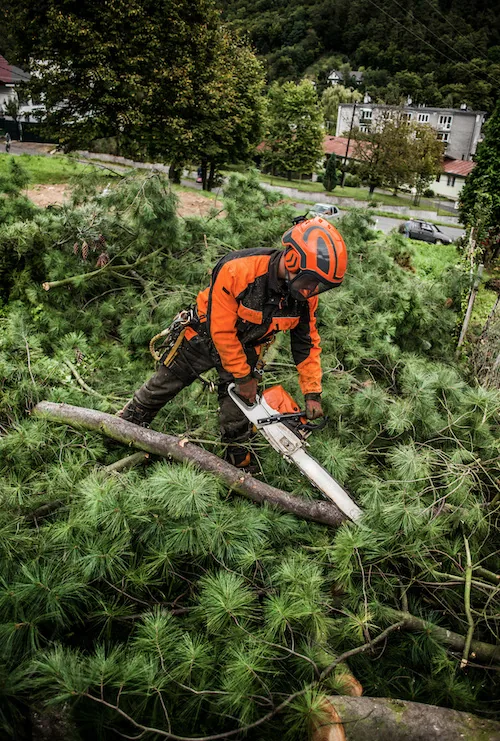
Lilly pilly, viburnum and pittosporum screens cut back to a line, plus honest advice on what a height reduction can and cannot do.
Learn more →Usually yes. Northern Beaches Council protects most trees on private land and requires a tree permit, or development consent, before removal or significant pruning. Exemptions are narrow and cover things like dead trees, declared weed species, immediate danger and work under the 10/50 vegetation clearing entitlement. We tell you which category your tree falls into before quoting.
It is a NSW Rural Fire Service scheme that lets owners inside a mapped entitlement area clear trees within ten metres of a home and underlying vegetation within fifty metres, without council approval. Only parts of the Northern Beaches near bushland are inside that area, and the boundaries changed in 2015, so check the RFS online tool for your address first.
Storm calls are triaged by risk. A tree through a roof, a limb resting on powerlines or a trunk across the only way out of a property gets a crew the same night where conditions allow. Lower-risk work, like a snapped branch hung up in a canopy with nothing underneath it, is generally booked for the next day once the wind drops.
Trunk wood is cut to firewood lengths and stacked if you want it, and everything else goes through the chipper. Most customers ask for the mulch to be blown back onto their garden beds, which costs nothing extra. Carting the lot off site is a tipping charge and it is listed separately in the quote so you can see it.
The range published on this site is $300 to as much as $6,000, depending on size and complexity. A small backyard wattle with truck access at the kerb sits at the bottom. A mature blackbutt over a roof on a steep Avalon block, needing a crane and traffic control, sits at the top. The cost guide explains what moves a job along that scale.